The Art of Selecting High Quality Hash: What Every Connoisseur Should Know
Understanding Hash in the Modern Era
Hash has been part of cannabis culture for centuries, but the methods and expectations have evolved dramatically. Whether you are a seasoned collector or someone exploring concentrates for the first time, the difference between mediocre and high quality hash can transform your experience. I have spent years working with various forms of this product, from traditional hand-rolled Afghan hash to modern solventless extracts, and the gap between good and great is always about attention to detail.
What Defines High Quality Hash?
At its core, hash is a concentrated form of cannabis made by separating trichomes from plant material. The best examples preserve the full spectrum of terpenes and cannabinoids present in the original flower. When I evaluate a batch, I look at three things: appearance, aroma, and how it behaves when heated. A high quality hash should feel slightly tacky but not greasy, crumble under gentle pressure, and release a complex bouquet of scents that reflect its genetic origin. If it smells one-dimensional or feels like dry clay, something went wrong during production or storage.
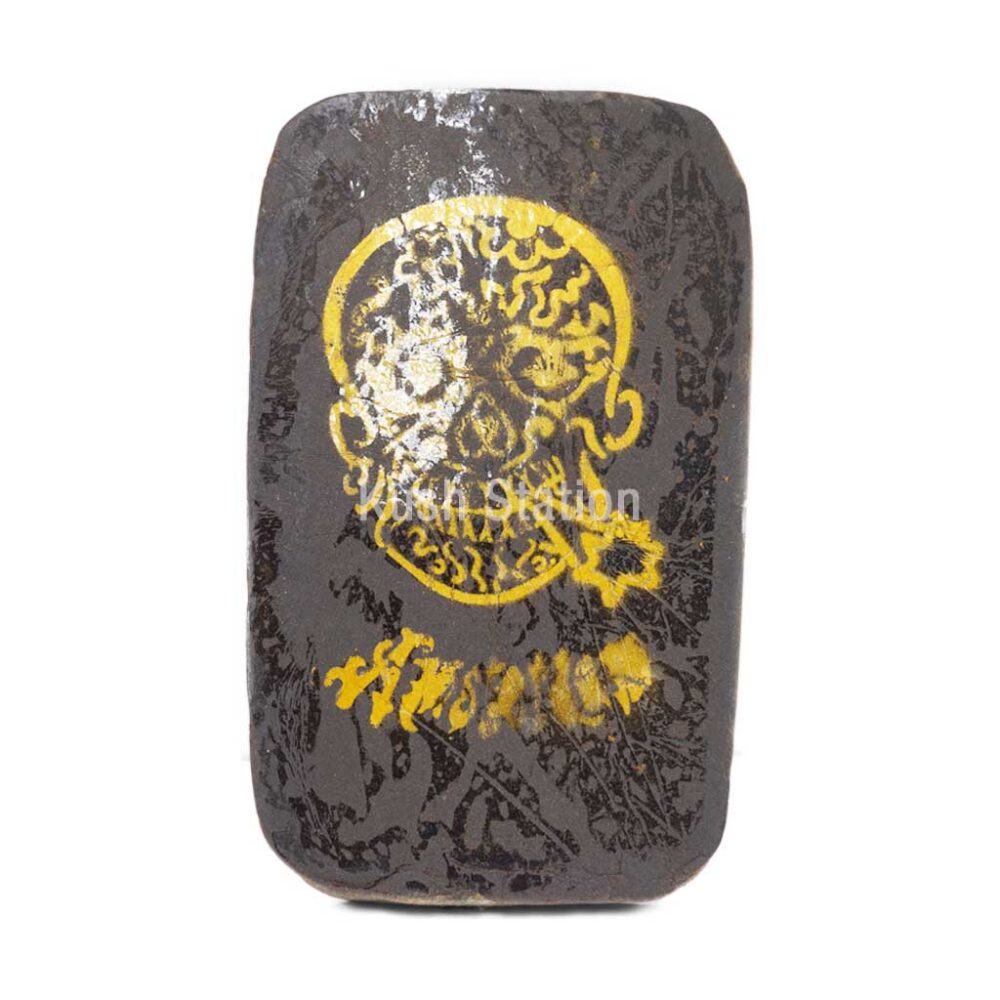
The source material matters more than most people realize. Moroccan hash often comes from kif, a loose mixture of trichomes and fine plant matter, while Lebanese hash is traditionally pressed from sieved material. Afghan hash tends to be darker and more pliable due to the use of heat and pressure during curing. Each style has its own character, but the common thread is that the starting flower must be fresh and well-cured. Old or poorly stored plants cannot produce great hash, no matter how skilled the maker.
Production Methods and Their Impact
Modern extraction techniques have expanded the range of products available. Dry sift is one of the simplest methods, where trichomes are shaken through screens of varying micron sizes. A 120 micron screen catches mostly intact heads, while smaller screens yield finer powder. The best dry sift I have seen comes from multiple passes through different mesh sizes, with each fraction kept separate. Bubble hash, made with ice water and agitation, produces a cleaner product because the cold water hardens the trichomes and makes them easier to separate from plant debris. Good bubble hash has a light golden color and melts into a clear puddle when dabbed.
Rosin is a different category entirely. It involves pressing flower or hash between heated plates, usually around 180 to 220 degrees Fahrenheit, to squeeze out the resin. The result is a sticky, translucent substance that retains more terpenes than many other methods because no solvents are involved. I have pressed hundreds of grams of rosin, and the key is using fresh flower with high moisture content and pressing slowly. The parchment paper under the press needs to be changed frequently to avoid tearing. Rosin can be dabbed with a quartz banger or vape pen, and it offers a flavor profile that rivals any solvent-based extract.
BHO, or butane hash oil, is made by passing butane through plant material and then evaporating the solvent. This method can produce very potent extracts, but the quality depends heavily on the purity of the starting solvent and the post-processing steps. Residual solvents can ruin the taste and pose health risks. I generally avoid BHO unless I know the producer personally and trust their process. The market has moved toward solventless options for a reason.
How to Judge Hash for Yourself
When you have a piece of hash in your hand, start with the snap test. A good piece should snap cleanly when bent, not stretch or crumble into dust. If it leaves sticky residue on your fingers, that is usually a sign of high resin content. Next, hold it near a lighter flame for a second or two. High quality hash will bubble and melt, not burn black or smell like burnt plastic. The color of the smoke should be light, and the ash should be white or light gray.
I also pay attention to the grind. If you rub a small piece between your fingers, it should break down into a soft powder without visible green plant matter. Green specks indicate that the hash contains too much leaf material, which will taste harsh and burn unevenly. The ideal texture is like finely ground coffee, but stickier. Moroccan hash from good producers often has this exact consistency.
For concentrates like dabs, the same principles apply but the method of consumption changes the evaluation. Dabs should leave minimal residue on the quartz banger after vaporization. If you see a dark, crusty spot that does not wipe away with a cotton swab, the oil was likely made from low-quality starting material or had impurities. A clean enail set to the right temperature, usually around 500 to 600 degrees Fahrenheit, will show you exactly how pure your extract is. Too hot, and you destroy terpenes. Too cool, and the product does not fully vaporize. Finding that sweet spot is part of the art.
Storage and Shelf Life
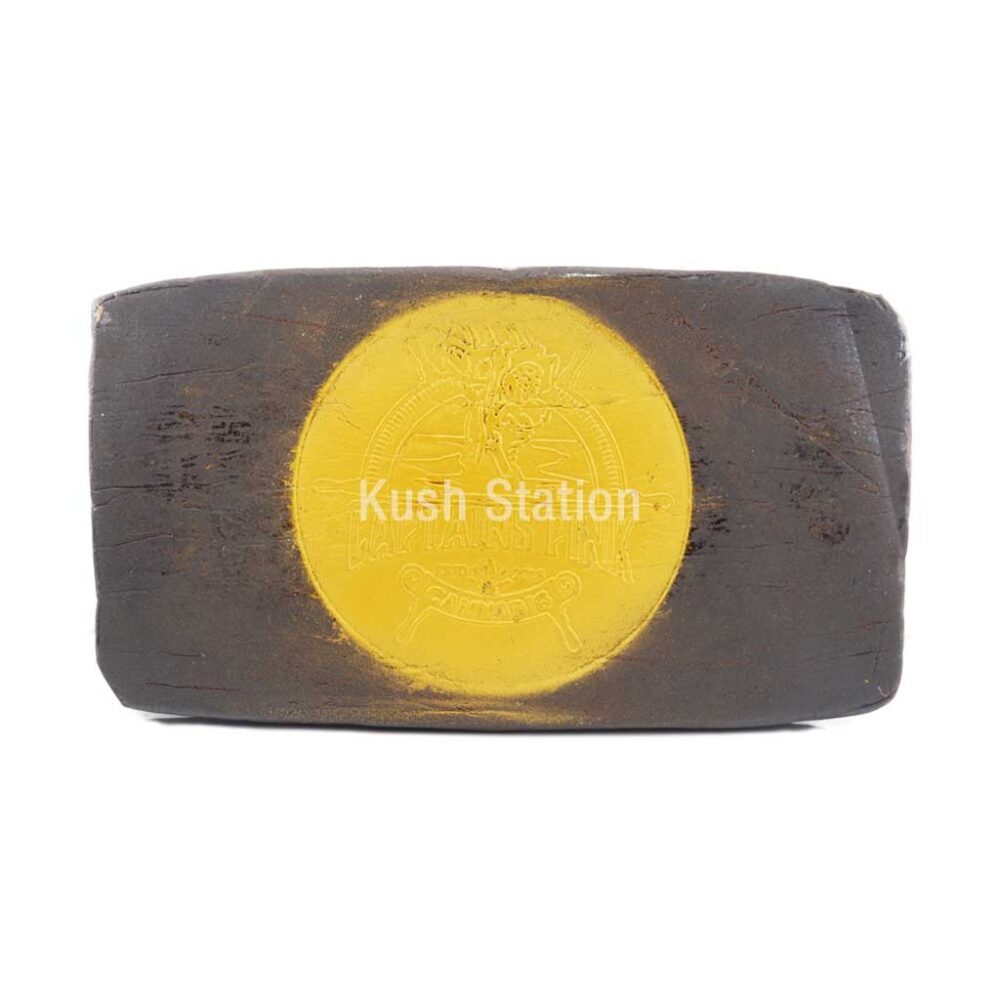
Hash is more stable than flower but still degrades over time. Exposure to air, light, and heat will oxidize the THC and break down terpenes. I store my hash in glass jars with airtight lids, kept in a cool, dark cabinet. Parchment paper is fine for short-term storage, but it can absorb some of the oils if left too long. For long-term storage, vacuum sealing with a desiccant pack works well. I have kept bubble hash for over a year with minimal loss of potency by using this method.
One common mistake is freezing hash to make it easier to handle. While this works for crumbling it into a powder, repeated freeze-thaw cycles can cause condensation and degrade the product. If you need to break up a hard piece, try warming it slightly with your hands or a gentle heat source like a torch held at a distance. The resin will soften and become workable again without damaging the trichome structure.
Buying in Bulk: What to Look For
For those who consume regularly, bulk pricing can be very economical. But buying larger quantities requires more careful evaluation. I always ask for a small sample before committing to a large order. The sample should be representative of the entire batch, not just the top layer. Some sellers put their best pieces on top and lower-quality material underneath. Checking the uniformity of color, texture, and aroma across the sample helps avoid this trap.
Wholesale buyers should also consider the source. Afghan hash from traditional producers often has a distinct earthy flavor with notes of spice, while Lebanese hash can be more floral and lighter in color. Moroccan hash varies widely depending on region and production method. Knowing these profiles helps you identify what you are actually getting. I have seen batches labeled as Moroccan that were clearly made elsewhere, just because the name sells better. Reputation and transparency matter more than origin stories.
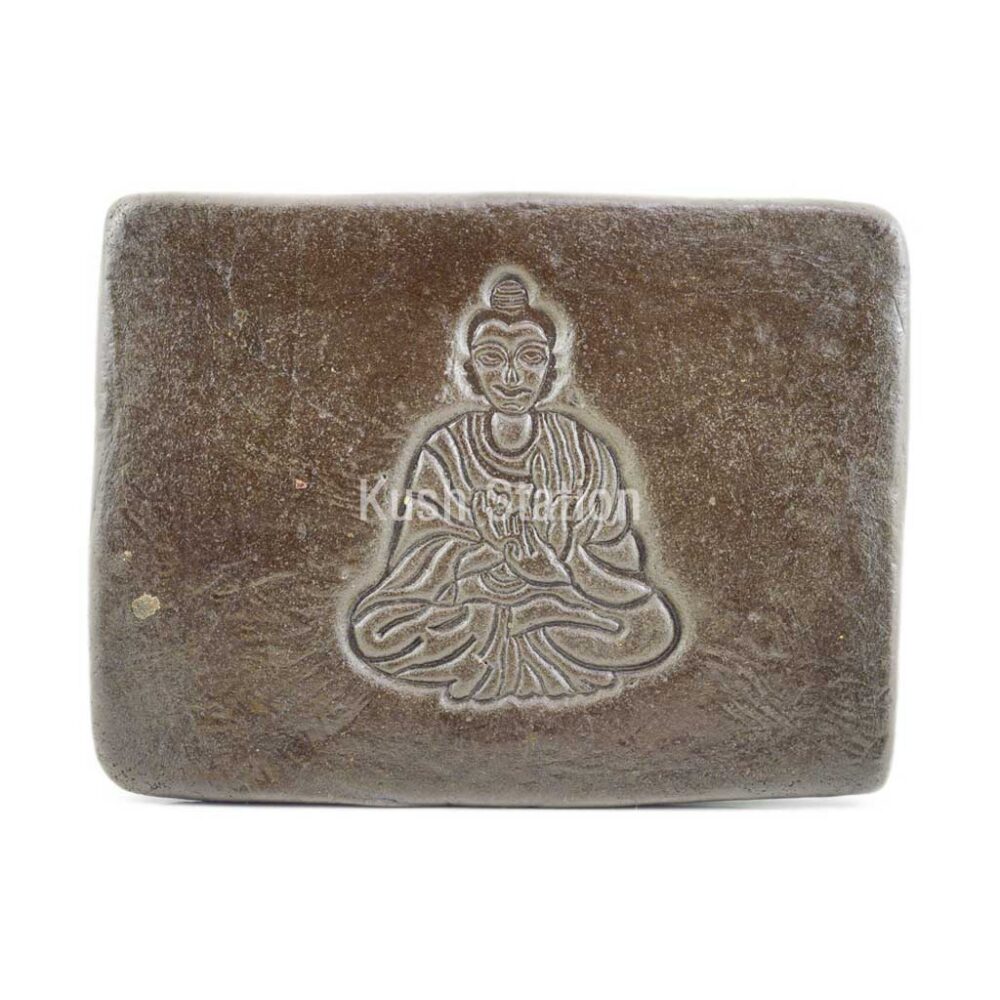
KushStation is an online store that offers a range of hash and cannabis concentrates with bulk options and special pricing. They focus on providing consistent quality across their inventory, which is important when you are buying larger amounts. A reliable source saves you the trouble of testing multiple suppliers and dealing with inconsistent product.
Final Thoughts on Choosing Wisely
The world of hash is deeper than most people realize. From traditional hand-pressed bricks to modern solventless extracts, there is something for every preference and budget. The key is to develop your own standards and stick to them. High quality hash is not just about potency; it is about the full experience: the aroma, the flavor, the way it makes you feel, and the craftsmanship behind it. By learning to evaluate hash on its own merits, you can make informed choices that enhance your enjoyment every time.